

Brand Strategy in the Middle East: Culture-Driven Branding for a Changing Market
In the past two decades, brand strategy in the Middle East has evolved from being an imported framework to a regionally rooted discipline. What once relied on Western templates of branding now draws from Arabic culture, values, and identity. This shift reflects a deeper truth: the most successful brands in the region are those that translate who we are before how we look.
Today, the region is no longer a follower; it has become a contributor to the global branding conversation. From Dubai to Riyadh, Doha to Damascus, a new generation of strategists and designers is redefining what it means to build a brand that speaks both local and universal.
Understanding Branding in the Arab World
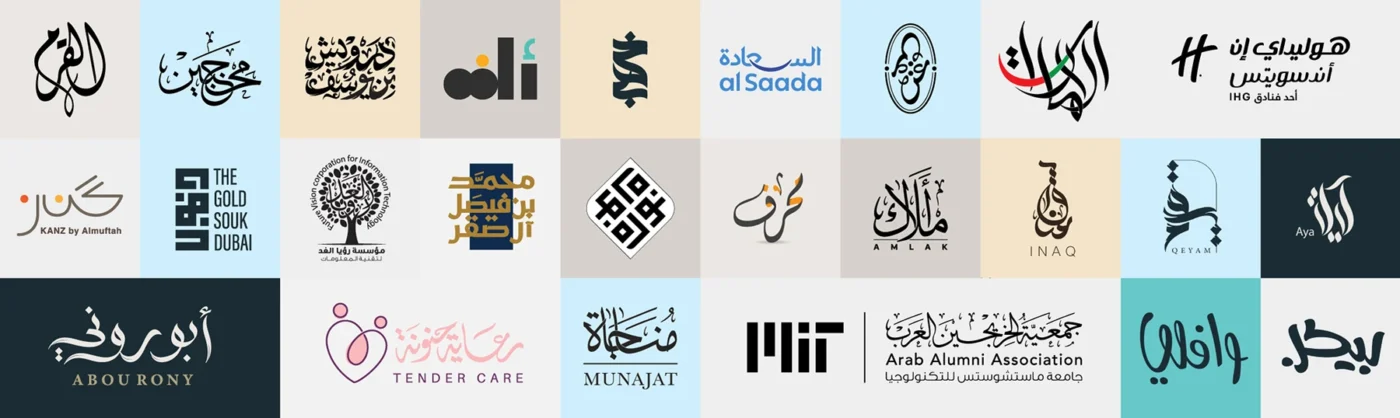
In the Arab world, a brand is more than a logo or slogan. It is a social presence. It exists in conversation, symbolism, and collective emotion. Arabic as a language adds layers of depth that Western brand systems often overlook. The script is expressive, rhythmic, and capable of carrying personality in every curve. Cultural fluency is not optional in brand building here; it is essential.
Unlike Western markets that emphasize individuality, Middle Eastern audiences often respond to shared values: respect, authenticity, hospitality, and legacy. This requires strategies that balance modern aesthetics with cultural truth. That balance is rarely achieved without a deep understanding of both.
For more on how Arabic aesthetics shape design identity, see Arabic Calligraphy in Design.
Beyond Design: Strategy Before Visuals
A brand’s strength does not begin with visuals; it begins with clarity. Every color, word, and symbol must reflect an intentional narrative. That is why effective brand strategy comes before logo design. It defines the purpose before the palette.
As seen in several projects within Branding & Logo Design Portfolio, the process starts with identifying positioning, voice, and audience behavior before developing the visual identity. This approach ensures that design is not decoration but communication. A visual system should sustain meaning across languages and platforms.
Cultural Intelligence in Branding
Cultural intelligence is the silent force behind every strong brand in the Middle East. It is the ability to interpret tradition and translate it into modern experience. From typography that echoes heritage to photography that captures human warmth, every decision carries symbolic weight.
Nihad Taisir integrates this understanding through a blend of strategic thinking and cultural empathy. His approach aligns global brand principles with Arabic expression. The result is a brand presence that feels both timeless and contemporary.
To explore the intersection between calligraphy, culture, and modern identity systems, visit Arabic Calligraphy in Design.
Challenges and Opportunities in the Middle East Market
The Middle East market is dynamic: young, digital, and deeply emotional. According to WARC’s 2024 report on Marketing in the Middle East, brands that connect emotionally outperform those focused solely on rational appeal. This explains why storytelling and cultural cues are central to regional success.
A McKinsey report on the Gulf’s Digital Frontier highlights that GCC consumers value authenticity and innovation equally. They expect brands to be both rooted and visionary. For strategists, this dual expectation demands balance: respecting local identity while competing globally.
In practice, this means that a coffee brand in Dubai, a tech startup in Riyadh, or a luxury developer in Doha must all translate their values into brand behaviors, not just visuals.
The Human Touch: Nihad Taisir’s Approach
At the core of every strong brand is human connection. A brand that understands its audience emotionally will always outperform one that relies on visuals alone.
Nihad Taisir approaches branding as a dialogue between culture and commerce, language and form, meaning and aesthetics. His work merges strategic clarity with Arabic creative depth, positioning brands to resonate across diverse markets in the Middle East.
Explore more case studies and project insights on Portfolio or learn more about his approach on the About page.
NT
About Nihad Taisir
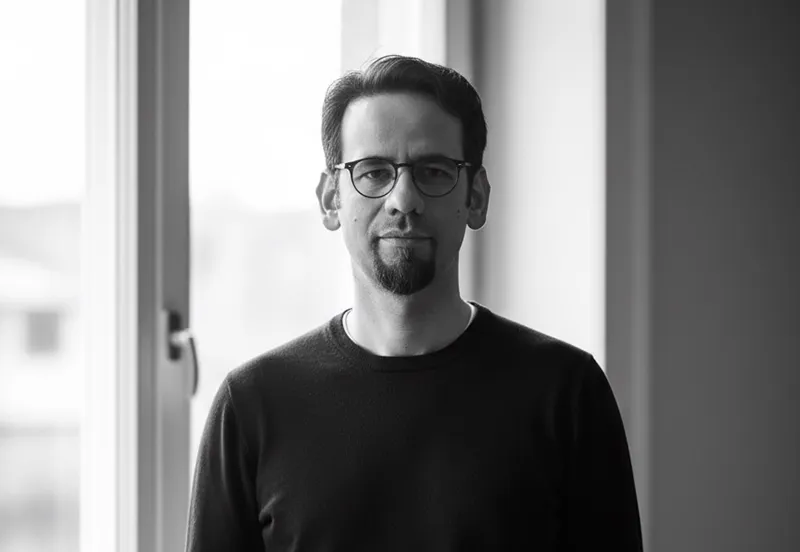
Arabic Branding Expert, combining cultural insight with design expertise, he helps businesses build strong and authentic brands through clear strategy and thoughtful design.
25+ years
Arabic + English
Logos & wordmarks
Arabic + English
Logos & wordmarks
From Aesthetics to Meaning
The future of brand strategy in the Middle East will belong to those who see beyond the logo. It is not about following trends but building truth. A brand that mirrors culture, speaks to people, and evolves with purpose.
Design can attract attention, but strategy sustains it. In a region where identity and innovation coexist, the most powerful brands are not those that look modern, but those that feel authentic.
For businesses aiming to bridge culture and creativity, the next era of Middle Eastern branding begins with one mindset: Strategy first. Design second.
Let's collaborate to create a brand that is not just seen, but truly understood by your audience.
Let's Work Together