
Editorial Design · Arabic Publishing · Young Readers

NYU Young Readers: designing an Arabic book series for contemporary readers

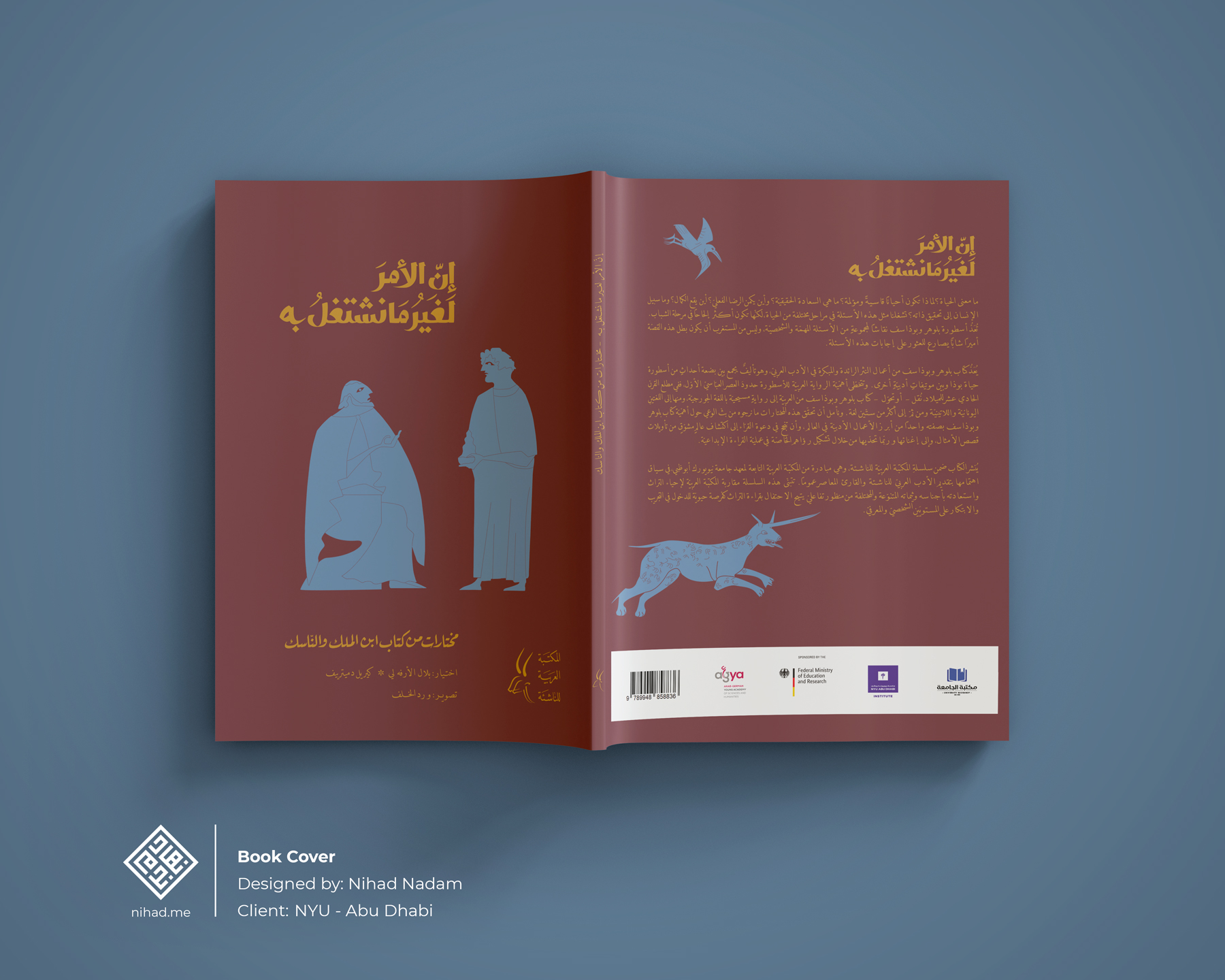
For the Library of Arabic Literature’s Young Readers Series, I designed book interiors and covers across multiple titles, working with editors and illustrators to translate varied texts and visual approaches into a coherent editorial family.

The challenge was not to make every volume look identical. Each book needed a distinctive voice while the typography, hierarchy, pacing, and production logic remained clear enough to connect the series as a whole.
Book Layout and Cover Design by Nihad Nadam

Project

NYU Young Readers Series

Arabic literary editions
Library of Arabic Literature · NYU Abu Dhabi

My role

Editorial and cover designer

Book layout, cover design, Arabic typography, and coordination with contributing illustrators

Scope and status

Multiple published titles

Created for print and digital distribution, with free PDF editions available online

01 · The editorial challenge

Making classical Arabic texts approachable without flattening their literary character

The series introduces selections from classical Arabic literature to younger readers. The design therefore had to reduce visual barriers, support comfortable reading, and give illustration an active role—while preserving the seriousness and richness of the source material.

That balance shaped every decision: page proportions, Arabic type size, line length, margins, chapter openings, colour, image placement, and the relationship between each cover and its interior world.

02 · The books as a visual family

A flexible framework designed to let the artwork and the story lead

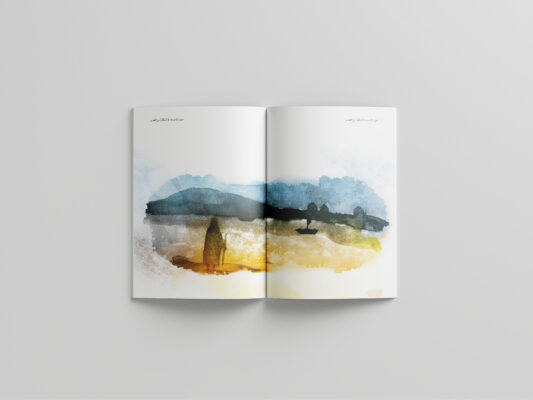
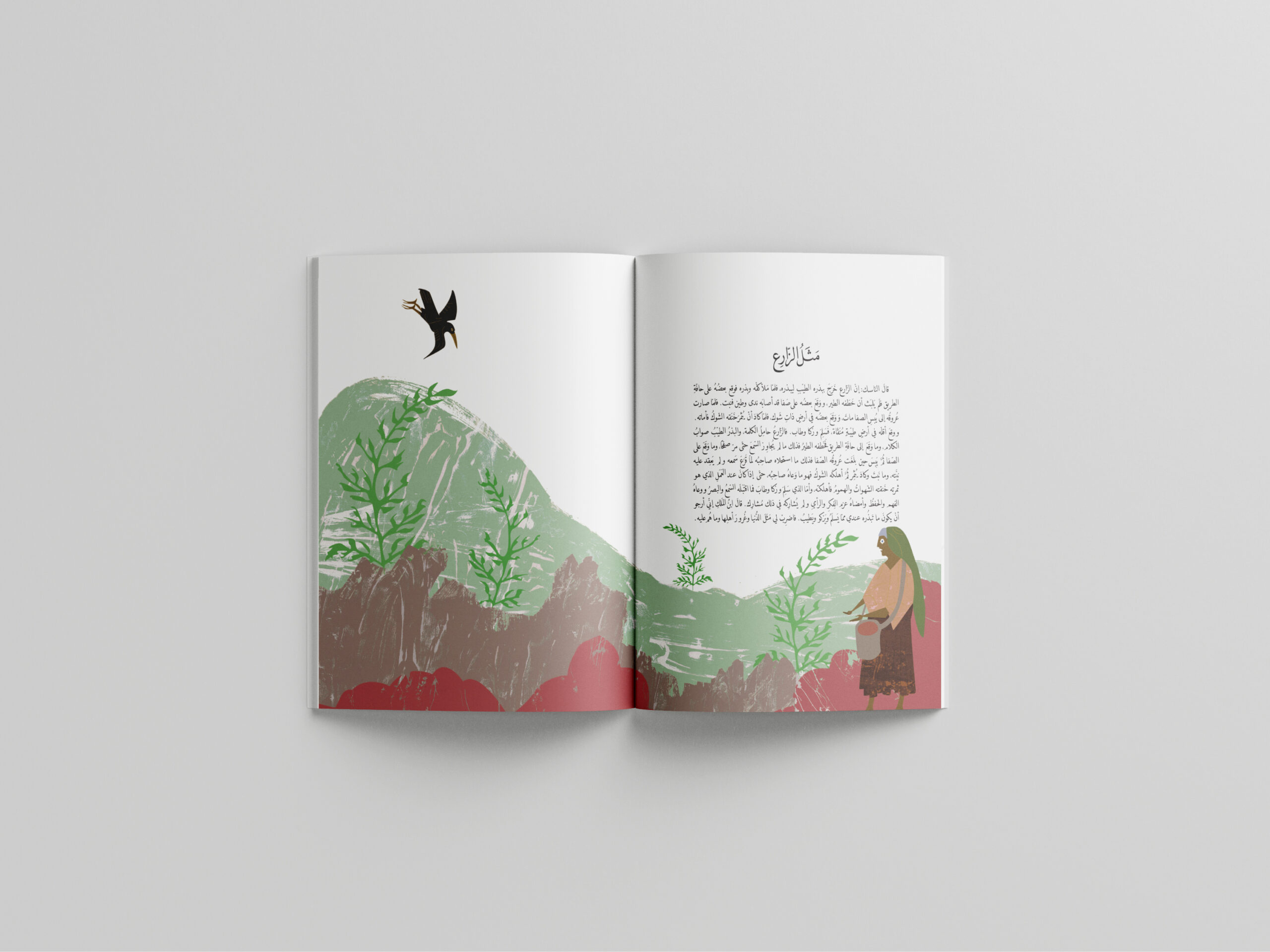
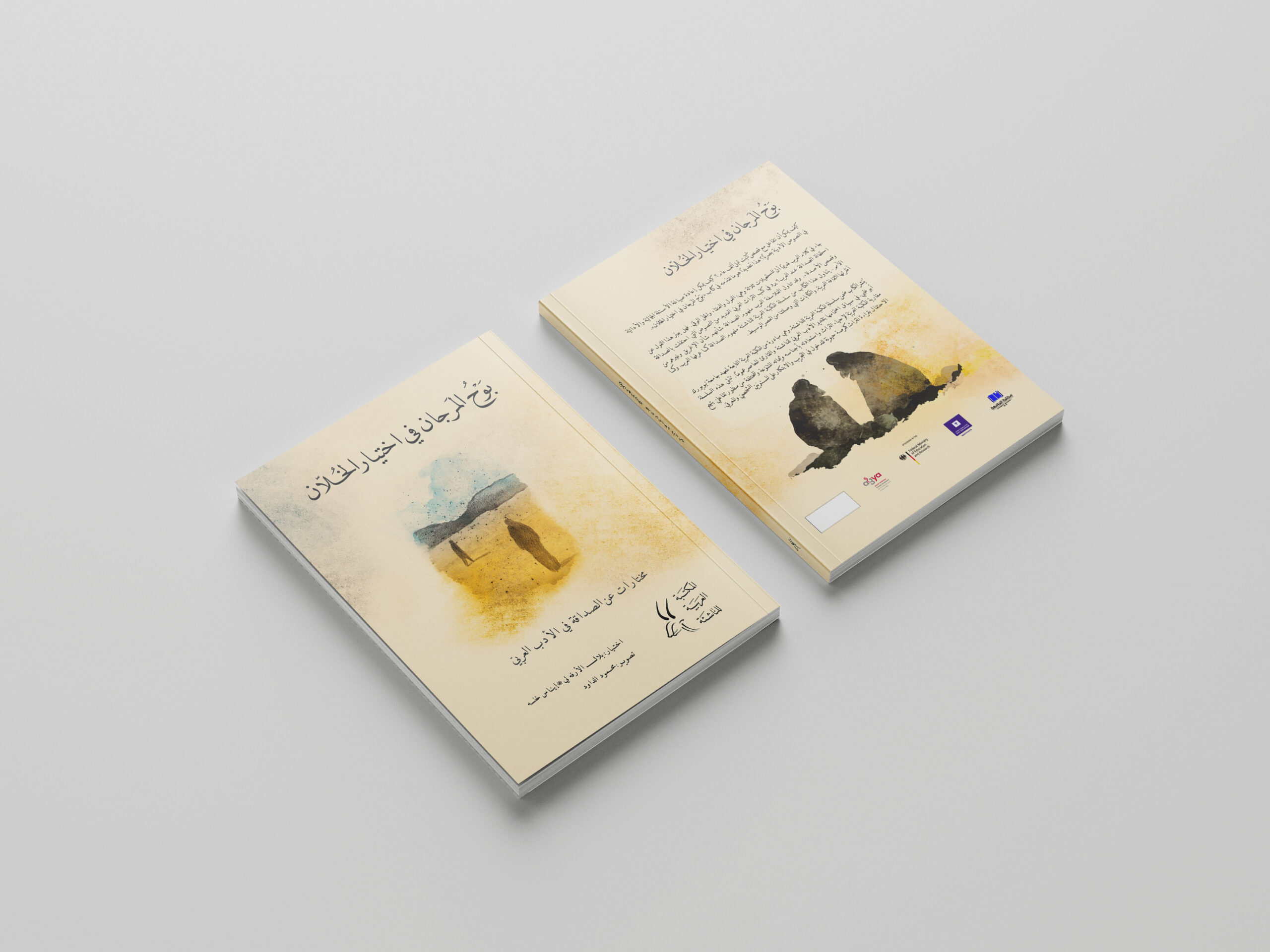
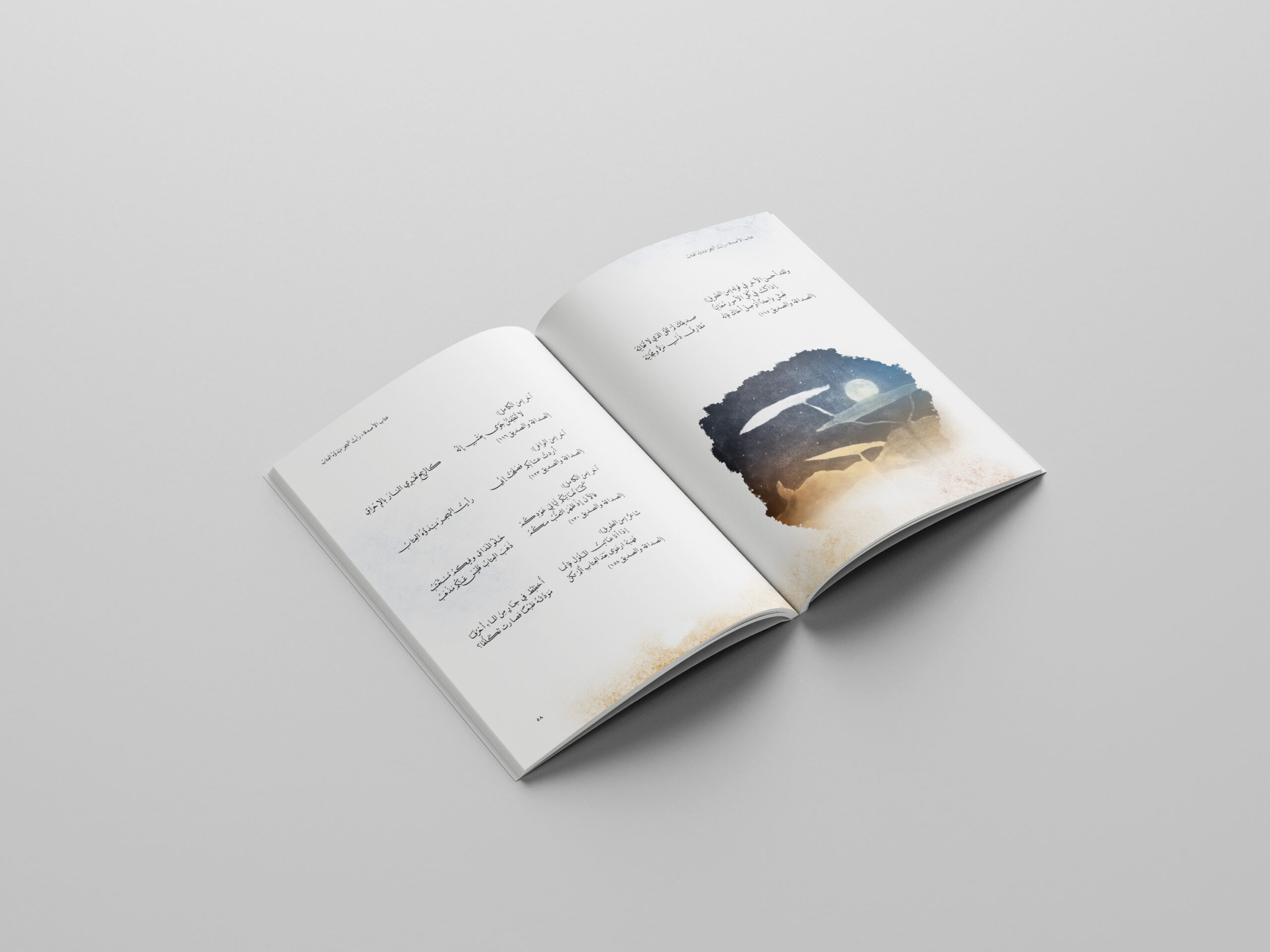
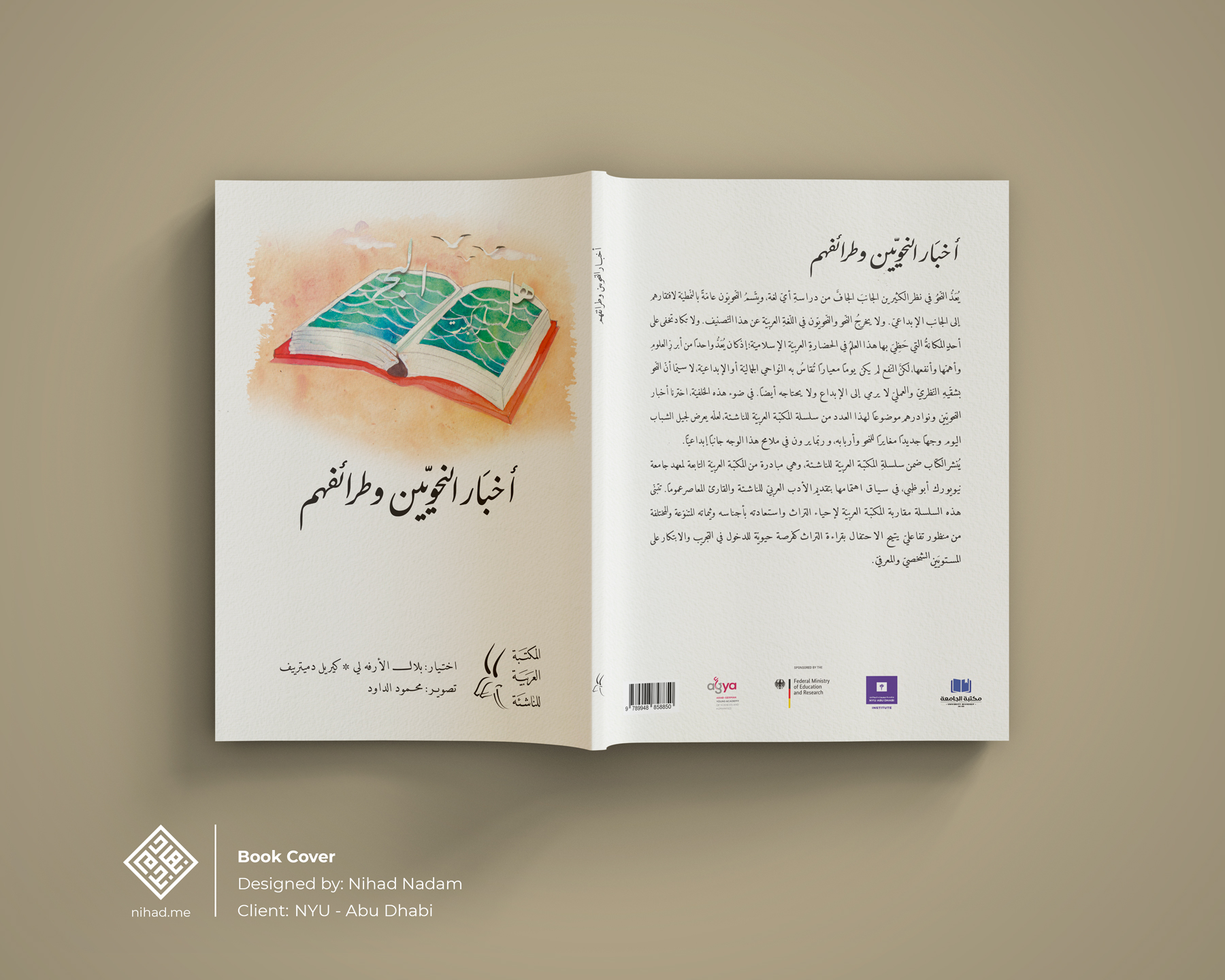
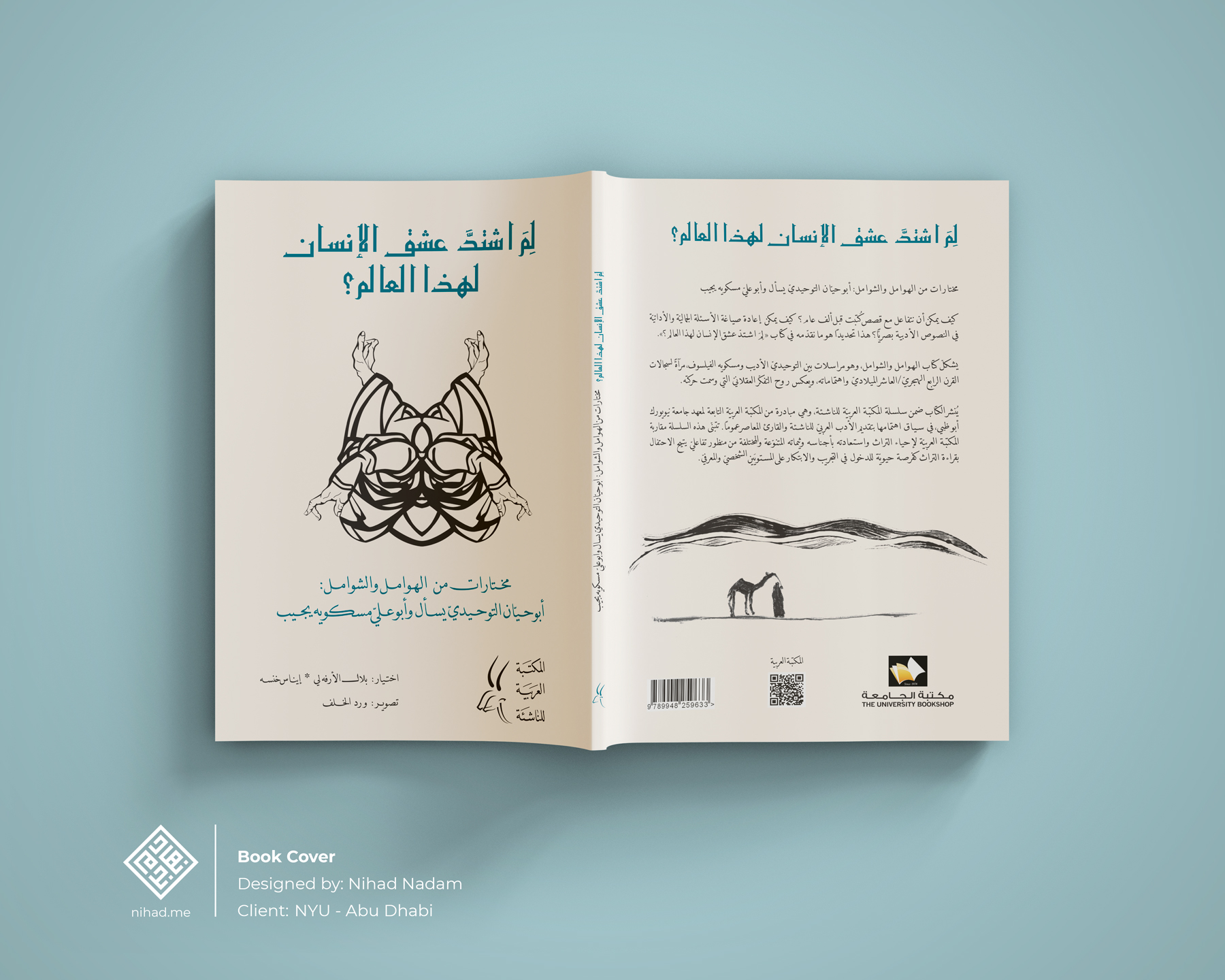
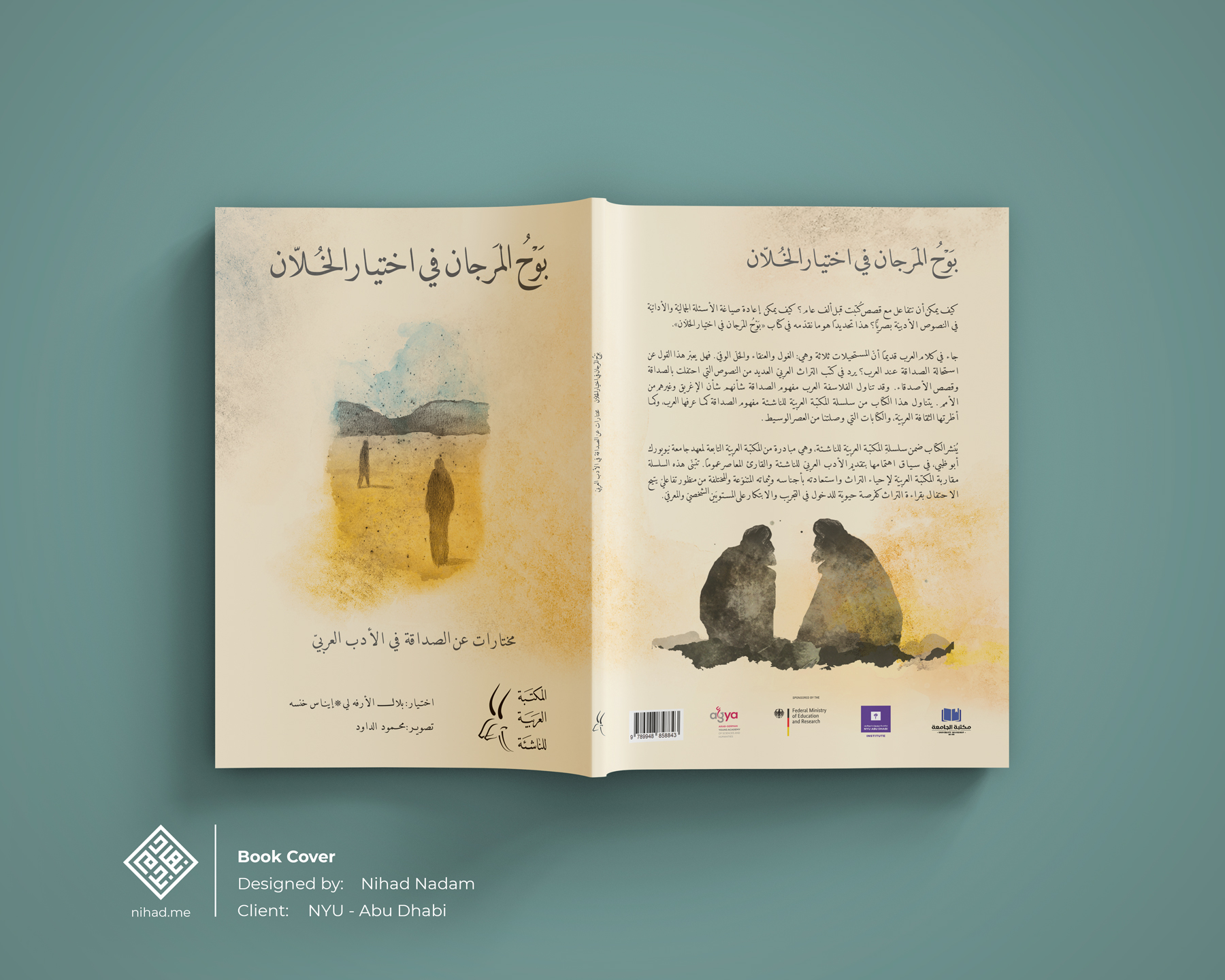
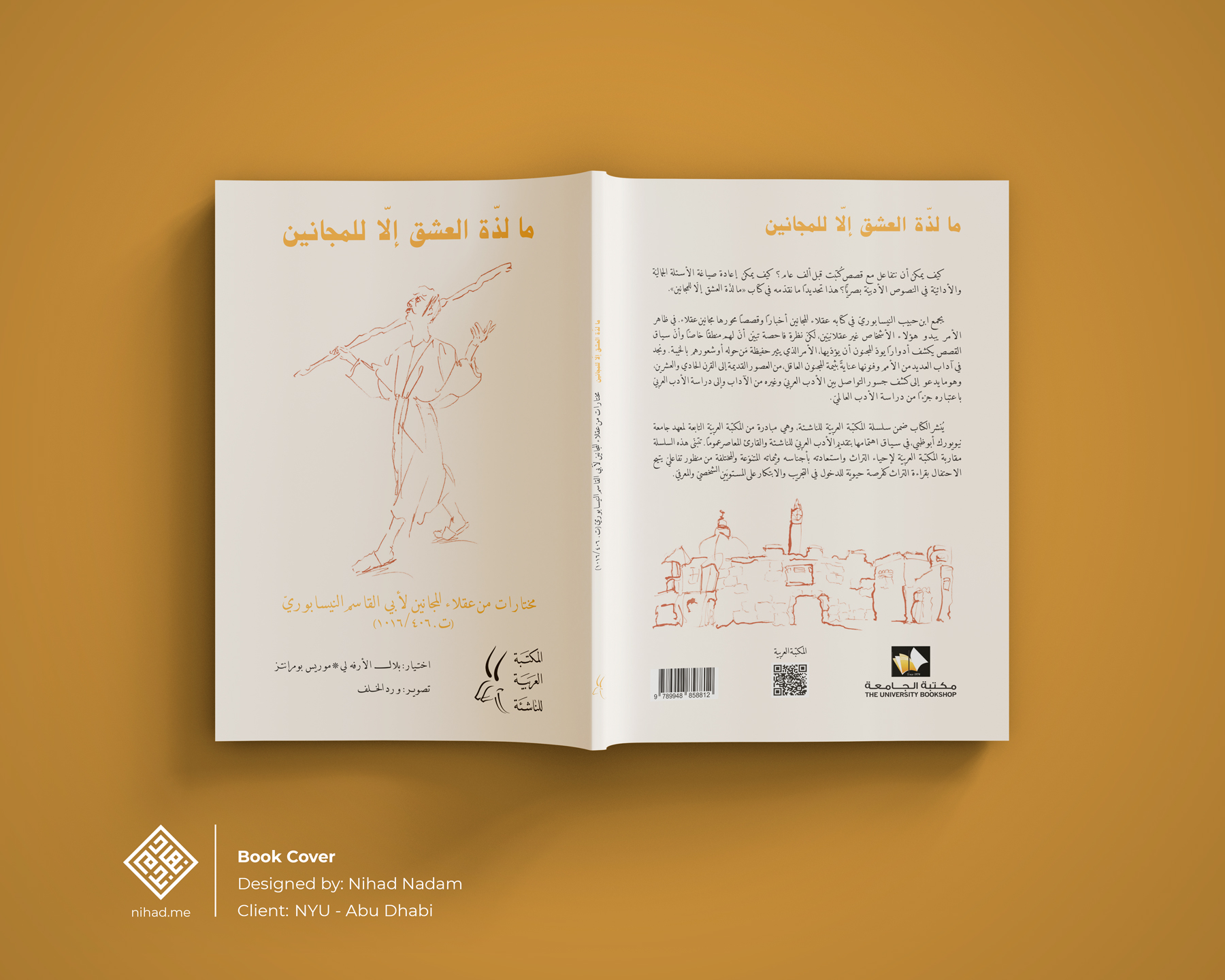
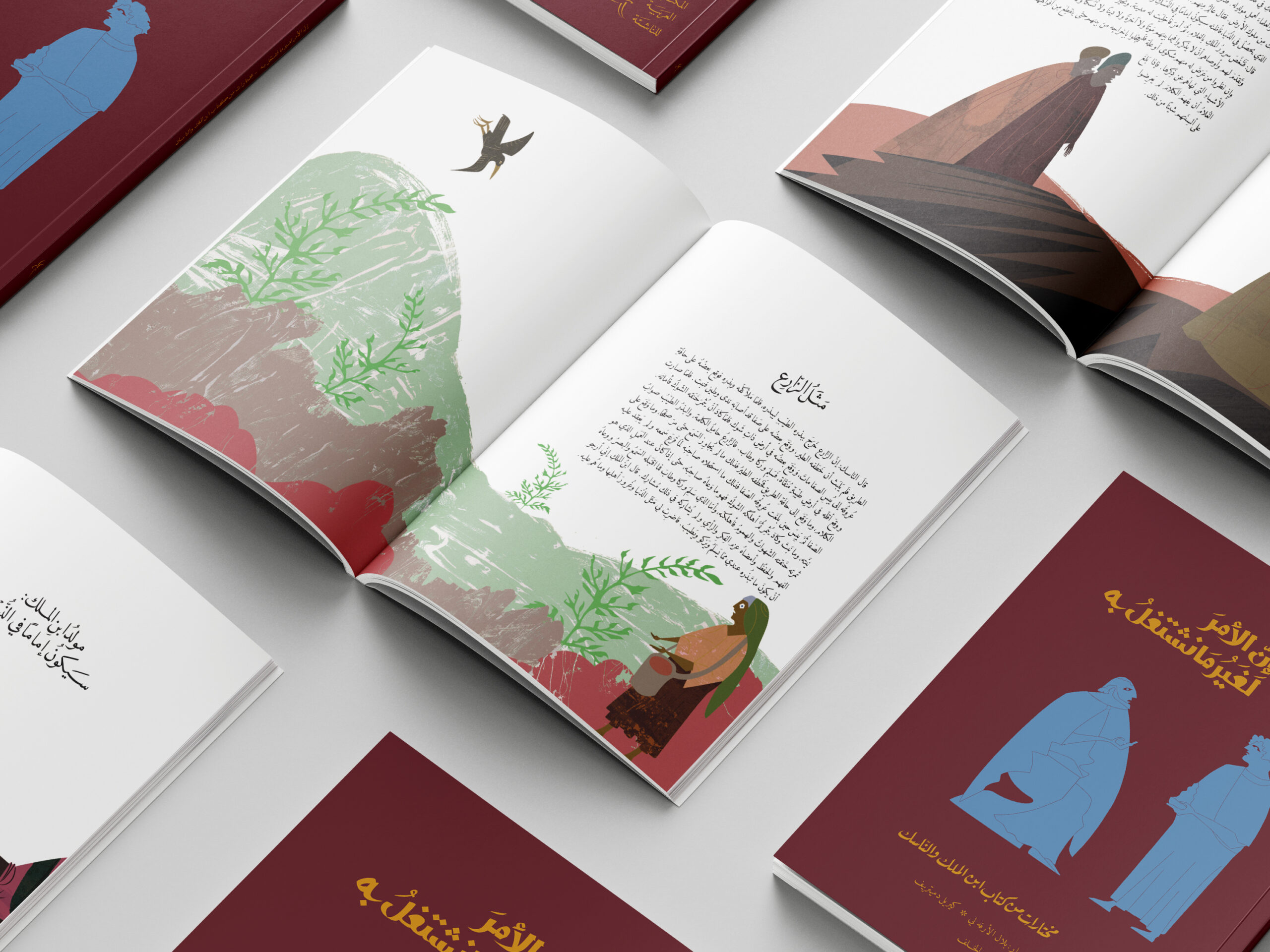
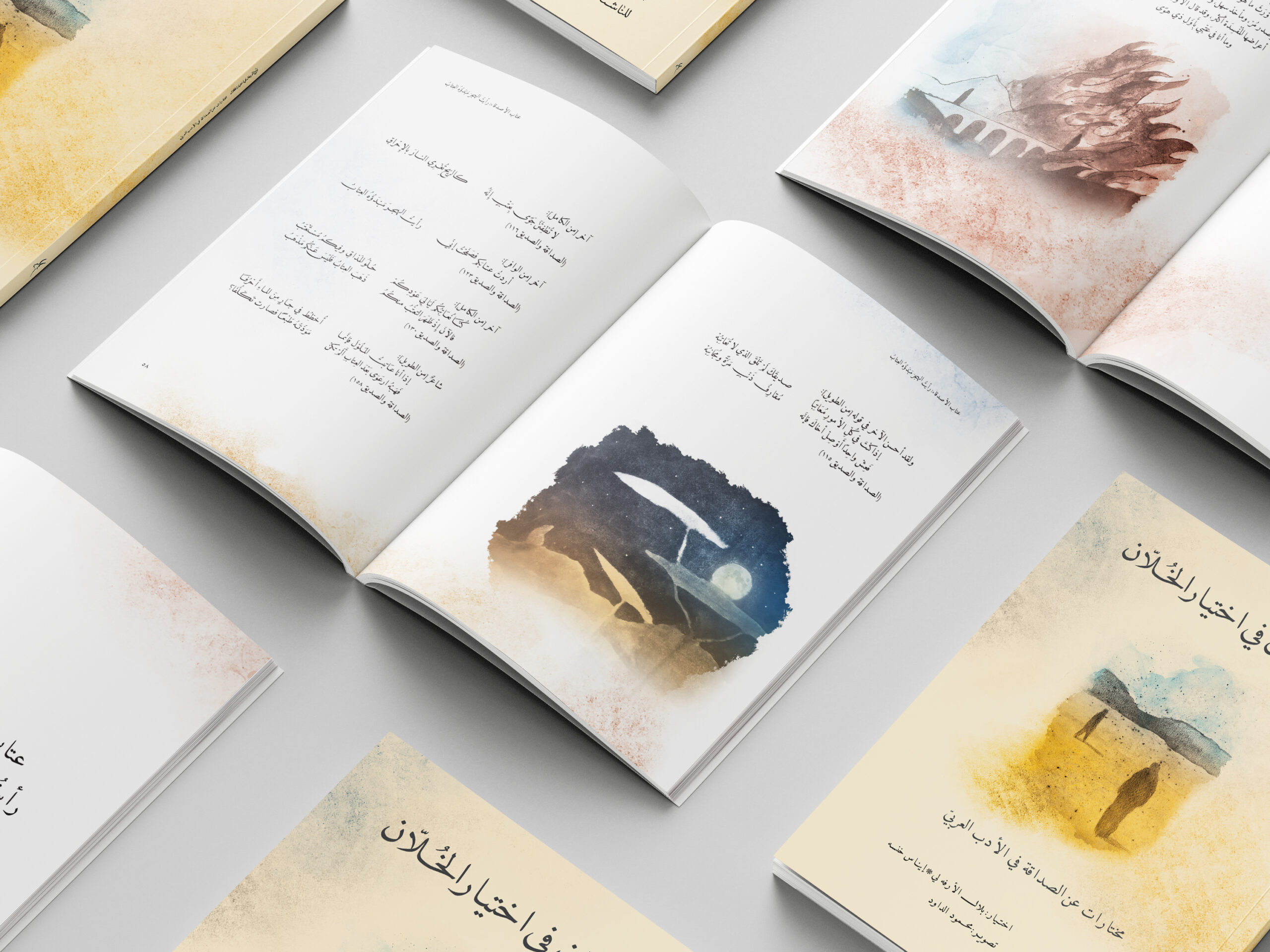
This original asymmetric presentation is retained as the centrepiece of the page. It shows the series at its strongest: covers, spreads, and illustrations working together across different formats and visual moods.

03 · The design system

Consistency lives in the reading experience, not in a repeated cover template

Arabic-first hierarchy

Typography, spacing, and page architecture were built around Arabic reading patterns rather than adapted from a Latin-first layout.

Flexible cover language

Each title uses its own illustration and atmosphere while maintaining a recognisable level of clarity, proportion, and editorial discipline.

Image–text rhythm

Illustrations are integrated into the narrative flow, giving younger readers visual entry points without interrupting the text.

04 · Covers and interior spreads

The system adapts across stories, age groups, illustration styles, and page rhythms

The gallery preserves the project’s strongest portfolio feature: a broad visual record of how the design performs from cover to opening spread and from quiet text pages to image-led sequences.

05 · The outcome

A published Arabic series that connects literary heritage with contemporary young readers

The completed books present classical Arabic works through clear editorial structure, contemporary illustration, and a visual language that can evolve from one title to the next. The result is a series identity built through coherence rather than repetition.

Several titles are available as free PDF editions through the Library of Arabic Literature, extending access beyond the printed books.

Project highlights

  • Arabic book layout and cover design
  • Multi-title editorial system
  • Coordination with different illustrators
  • Typography and image-led page architecture
  • Print and digital publication

Explore and download the Young Readers books →

About the publisher

Library of Arabic Literature

The Library of Arabic Literature publishes authoritative Arabic editions and accessible English translations of significant works of Arabic literature. Its Young Readers Series presents selected classical texts for contemporary younger audiences through edited Arabic editions, illustration, and book design.

Learn more about the Library of Arabic Literature →

Arabic editorial design

Designing an Arabic book, publication, or multi-title editorial series?

I create Arabic-first editorial systems that connect typography, image, story, and production across print and digital formats.