

Book Design for Arabic Language Publications
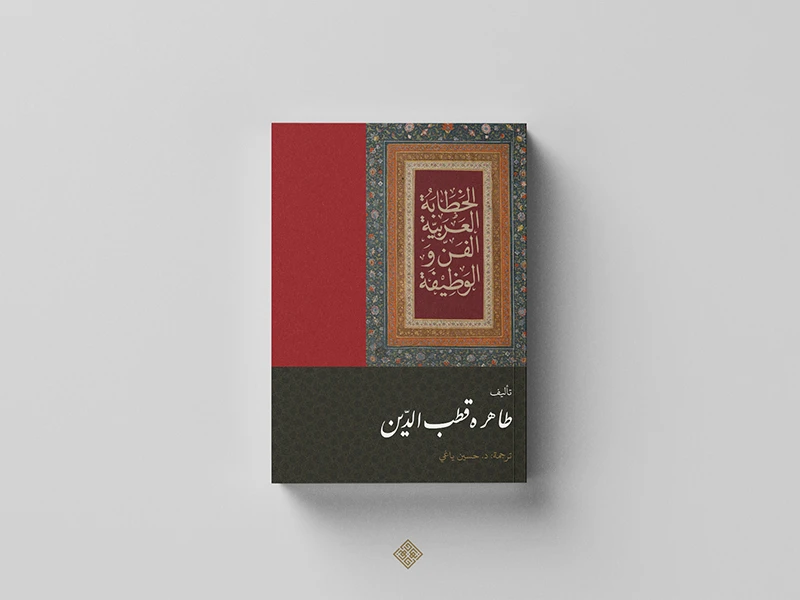
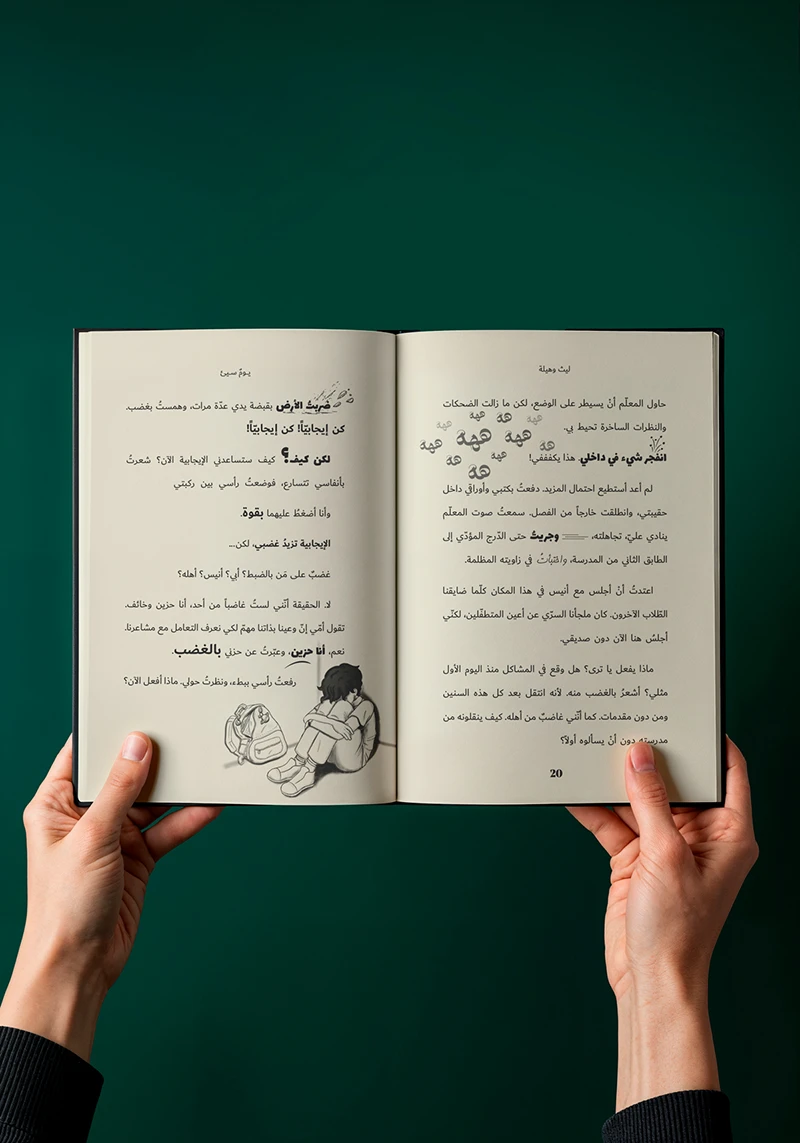
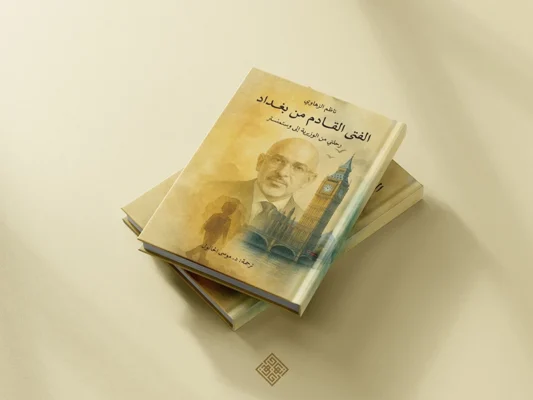
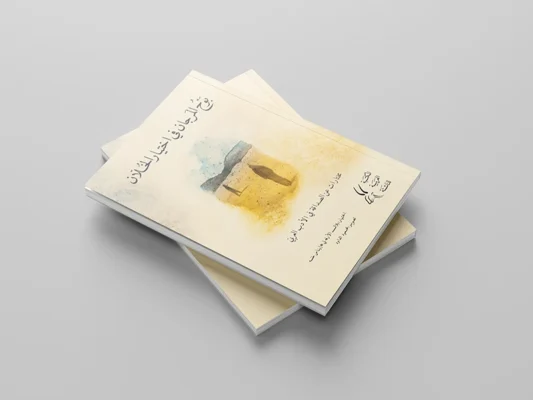

Arabic Editorial Design · RTL Typesetting
An Arabic book is not a mirrored English layout. Its page architecture must respond to right-to-left reading, connected letterforms, diacritics, bilingual hierarchy, and the rhythm of Arabic text from the cover to the final index.
Publishing experience: More than 25 years in Arabic design, including over 250 titles for the Abu Dhabi Arabic Language Centre’s Kalima and Esdarat imprints, more than 30 titles connected to NYU Abu Dhabi’s Library of Arabic Literature, and over 16 years of work with Brill Academic Publishers.
Why Arabic Book Design Requires Specialist Knowledge
Arabic publishing involves decisions that cannot be solved by switching paragraph direction. The script, page sequence, grid, hierarchy, and production files must work together as one system.
- Right-to-left architecture: page order, folios, running heads, chapter openings, navigation, and binding direction must be planned correctly.
- Arabic script behaviour: contextual letterforms, ligatures, diacritics, punctuation, and numeral styles affect spacing and line rhythm.
- Readable composition: line length, leading, justification, kashida use, widows, and orphans need careful control.
- Bilingual coordination: Arabic and English require related—but not mechanically mirrored—hierarchies and grids.
- Complex publishing structures: footnotes, references, indexes, poetry, tables, and marginal material require robust style systems.
- Print production: trim size, margins, bleeds, colour profiles, image resolution, and PDF standards must match the printer’s specifications.
The goal is not merely a correct file. It is a book that feels natural to read, remains consistent across hundreds of pages, and carries the authority of its content into the physical object.
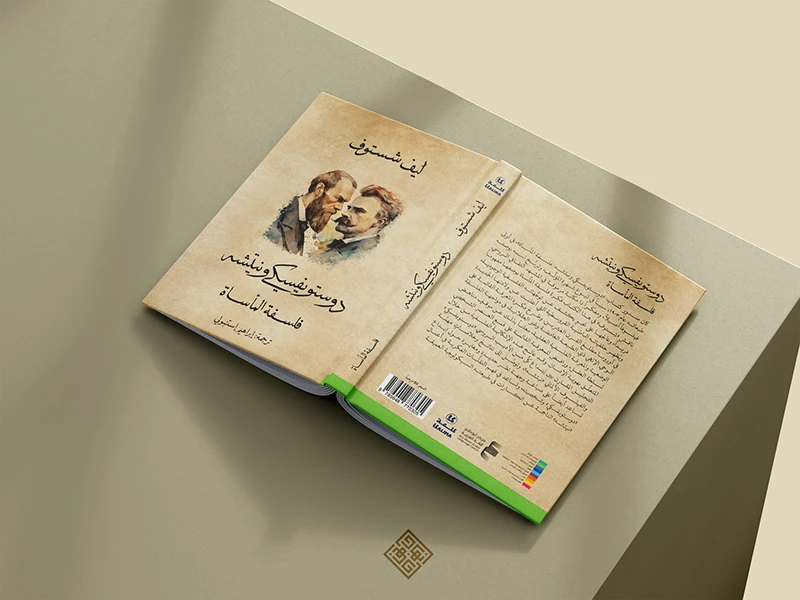
My Arabic Editorial Design Process
Every project begins with the manuscript and its readers. The visual direction grows from the subject, publishing context, language mix, and production requirements—not from a preselected template.
- Manuscript and production audit: review languages, structure, word count, images, tables, footnotes, trim size, binding, schedule, and printer requirements.
- Editorial direction: define the reading experience, typographic character, cover concept, and relationship between Arabic and Latin content.
- Grid and style system: build master pages, margins, baseline grids, paragraph styles, chapter systems, captions, notes, and recurring components.
- Typesetting and art direction: compose the full publication, place images, manage complex text, and resolve exceptions without weakening consistency.
- Proofing: review Arabic shaping, diacritics, hierarchy, folios, cross-references, image quality, and page flow on screen and in printed proofs.
- Prepress and handoff: package production files and deliver print-ready PDFs according to the printer or publishing platform specification.
Arabic Book Design Services
- Arabic book covers and custom title typography.
- Full interior layout and professional RTL typesetting.
- Arabic–English bilingual editorial systems.
- Academic books with notes, references, indexes, and complex apparatus.
- Literature, poetry, translated works, and cultural publications.
- Children’s and illustrated books.
- Multi-volume series with scalable design systems.
Production Deliverables
Depending on the project, the final handoff can include packaged Adobe InDesign files, linked assets and fonts, print-ready PDF/X files, cover mechanicals, digital PDFs, and a concise style guide for future volumes. Files are checked for fonts, colour profiles, bleeds, image resolution, and page integrity before release.
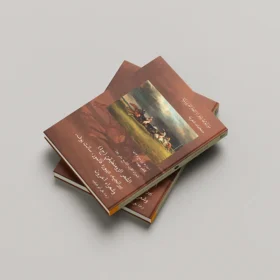
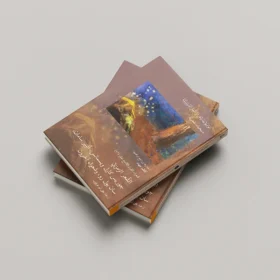
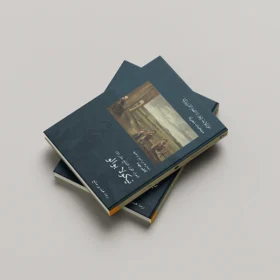
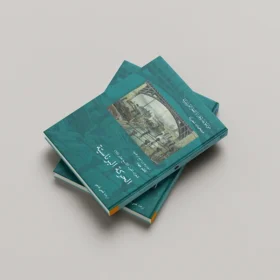
Need to see the craft in context? Explore the Arabic editorial and book design portfolio, including covers, interiors, bilingual publications, and long-form cultural series.
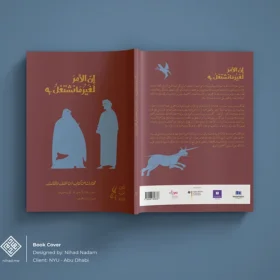
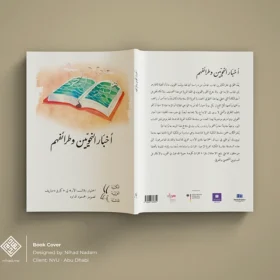
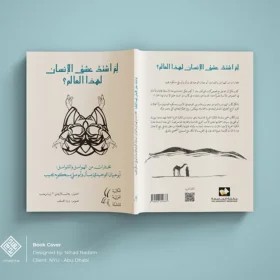
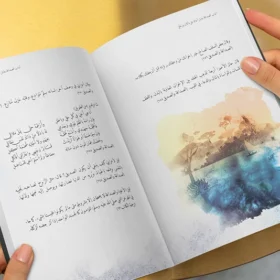
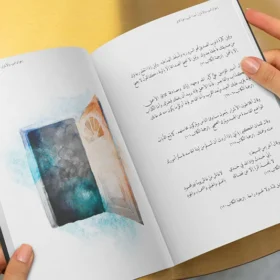
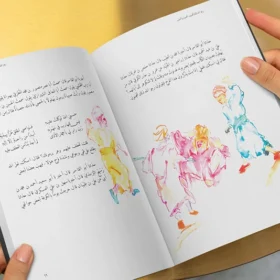
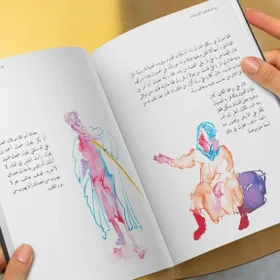
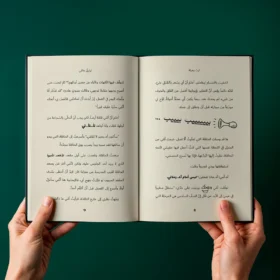
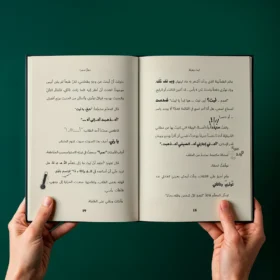
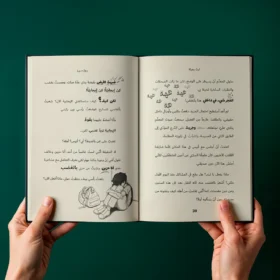
Selected Arabic Publishing Experience
Brill Academic Publishers
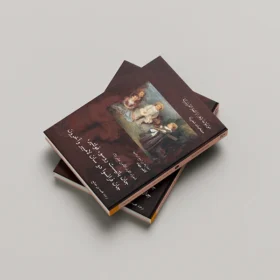
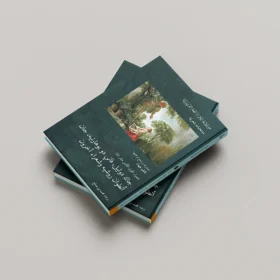
For more than 16 years, I have worked on Arabic and English academic titles for Brill. These publications demand disciplined templates, careful handling of scholarly apparatus, and reliable production across long and structurally complex manuscripts.
NYU Abu Dhabi · Library of Arabic Literature
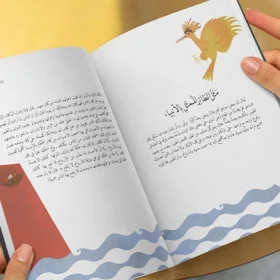
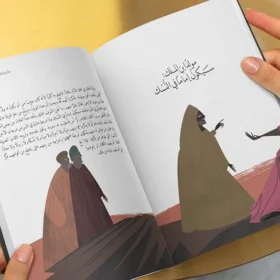
My work within the Library of Arabic Literature programme spans more than 30 titles, across distinct roles: calligraphic work for selected scholarly book jackets, and cover design, editorial layout, and Arabic typesetting for Young Readers editions. The publisher credited my book-jacket contribution under the name Nihad Nadam in an acknowledgement published on 15 March 2013. The challenge is to make historically important texts accessible and inviting without losing editorial seriousness. See the NYU Young Readers Arabic book design case study.
Abu Dhabi Arabic Language Centre · Kalima and Esdarat
I have designed and produced more than 250 Arabic titles across literature, translation, research, and cultural publishing. This experience includes developing visual systems that remain coherent across large collections while allowing every title to retain its own voice.
One example is The Eyes of Arabic Poetry, a 100-volume cultural series with a unified cover and interior language. The project is documented within my strategic Arabic design case studies.
Plan Your Arabic Publication
A useful project brief should include the manuscript languages, approximate word or page count, trim size, image requirements, publishing schedule, intended formats, and any printer specifications already available. If these decisions have not been made yet, I can help define them before design begins.
For publishers, institutions, and independent authors: share your manuscript scope and production timeline, and I will recommend the appropriate editorial design and typesetting workflow.
For a deeper look at the relationship between Arabic script and digital typography, read Arabic Calligraphy vs Digital Fonts.
